
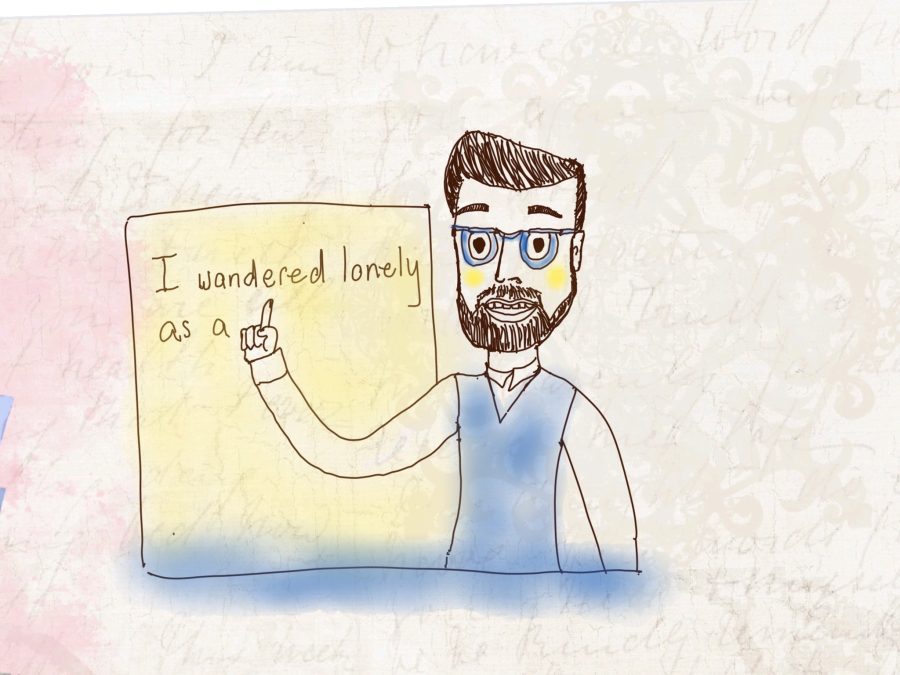
Almost a decade ago, while recovering from serious illness, I took up doodling. In the clinic’s waiting room, or anticipating test results I found cartooning doctors, nurses and other patients calmed me, gave me focus and an illusion that I still had some agency. It reminded me of the humanity of everyone else involved in the situation and quite often, helped bring welcome humour in.
In her lovely book, Doodling For Writers, Rebecca Fish Ewan says ‘If you can hold a pencil, you can draw’. She describes how writing and drawing help us make meaning and in this essay online, how drawing can help fiction or non-fiction writers:
‘Drawing can inform your writing process or become a part of your completed work. Process drawings include character sketches, maps and story boards. Draw character sketches and pin them up near your writing space (or carry them in your notebook if you’re a writer on the go). These drawings will help remind you of how your character stands, dresses, expresses anger or joy. Sketch the things they carry, their friends, a plan of their bedroom, a map of their town.
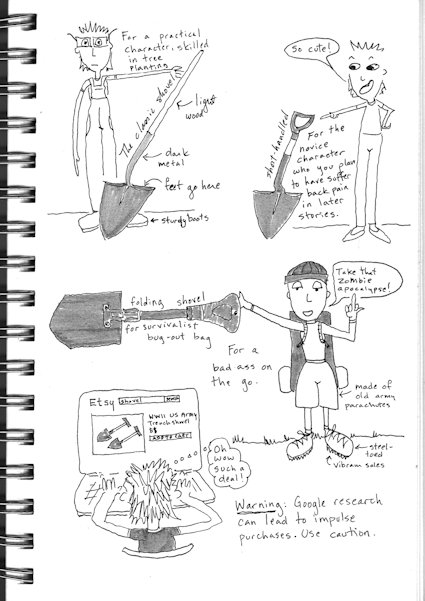
Drawing can help you think through how ordinary things work.’
So for many of us who like to make sense through visual means, drawing can help us get clarity, and literally on the same page as others.
Visuals give our written words impact and this means of message may last longer. I love to conduct experiments in everyday life and have taken to doodling my shopping list, drawing all the different products.
When I do this, and unlike just a list of words, I often never need consult the doodles – the act of creating them has made them stick. It turns out pictures are ‘dual coded’ by the brain, helping their retention, unlike the single coding of words.
‘Ok’ and ‘all well and good’ you may be thinking here, ‘but how does this help me get known as a writer? Well, my investigation into the power of drawing took me to the zone of Ingrid Lill, who describes herself as a business coach with a pencil. Ingrid uses the power of drawing to help her clients become clear and specific about what they offer. A most experienced brand designer, she uses ‘strategic sketches’ to get from vague ideas to compelling content. Her website has lots of examples of clients she has helped, and her work has a refreshing directness and clarity.
Using stars for achievements, and hearts for emotional connectors, her sketches often include process or themes and cover a small number of vivid details about the client. She often runs free workshops details of which are usually in her instagram grid.
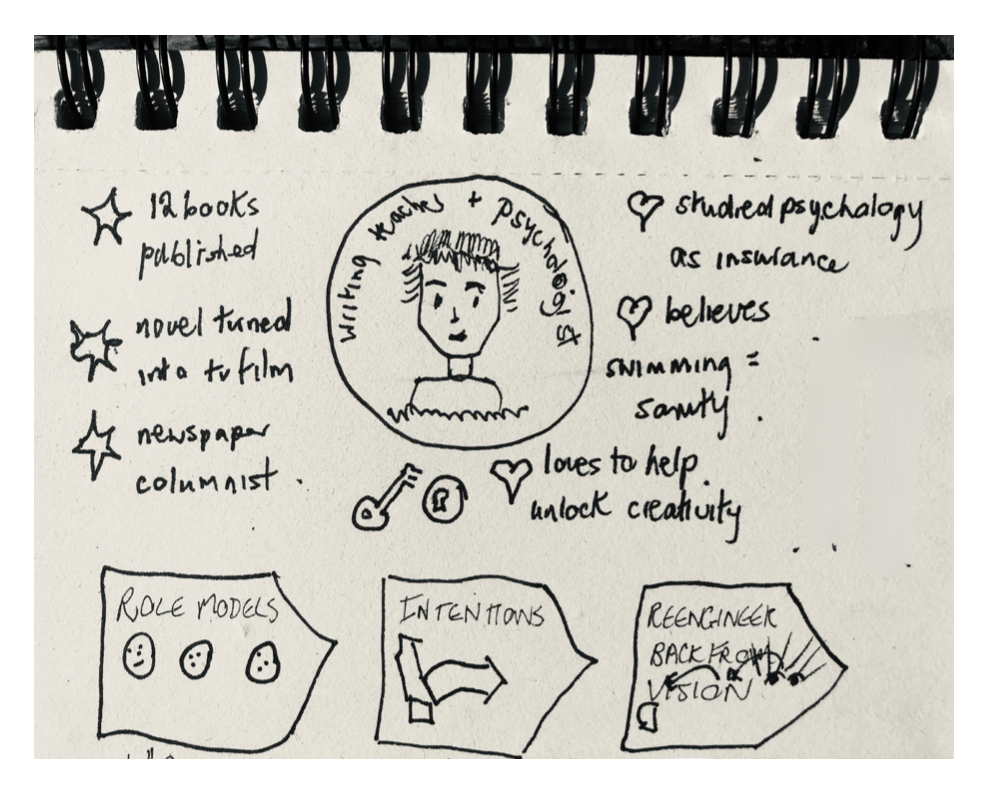
Here’s a doodle I did during one of these free workshops, but I can also see this approach working for fiction writers, poets and even screenwriters – anyone creative who wishes to take a ‘whole person’ approach to getting their work out there. As well as these strategic sketch sessions, Ingrid also has a range of online courses to help you draw your mission.
And finally, one more example to tempt you possibly to explore drawing or some other visual art form to help get your writing known. Austin Kleon is a writer who draws, and whose newsletter I could not love more. Every week he sends out 10 recommendations of things which have or are inspiring him, and he embodies the experiments I advocate for here.
Please do ask me anything at all related to drawing for writers, as it’s something I’ve enthusiastically explored for a while now. In the UK, we’re about to celebrate Easter, all about new life and hope. And if your hope involves doodles and a pencil, then I wish you all the very best for it.
 Writer Explores